Compare Local Contractors for Field Fencing Services
Compare local contractors for field fencing to define project scope, verify experience, and set clear expectations for a successful property boundary solution.
Field fencing services typically encompass the installation, repair, and maintenance of fences designed to enclose agricultural land, pastures, or large properties. These projects often involve selecting appropriate fencing materials such as wire, wood, or vinyl, and ensuring the fence is sturdy enough to contain livestock or define property boundaries. Contractors may also handle tasks like clearing the land beforehand, setting posts securely, and ensuring the fence is properly aligned and durable to withstand weather conditions common in the area.
Clearly defining the scope of work is essential when planning a fencing project. Property owners should specify the type of fencing needed, the size and layout of the area to be enclosed, and any specific features like gates or access points. Having these details in writing helps prevent misunderstandings and ensures that contractors understand the expectations from the outset. It also allows for more accurate comparisons between different service providers, as each contractor's approach and experience can be evaluated based on how well they can meet the defined scope.
When comparing local contractors for field fencing work, property owners should consider their experience with similar projects and verify their familiarity with local land conditions. It’s helpful to review the scope of services offered and ask how they plan to approach the installation or repair process. Additionally, obtaining detailed proposals that outline the work to be performed, materials to be used, and the responsibilities of each party can facilitate a clearer comparison. By focusing on the contractor’s expertise, communication, and ability to meet the outlined scope, property owners can make informed decisions to select the right service provider for their fencing needs.
Compare local contractors by outlining your project priorities, verifying experience, and setting clear expectations in writing.
- Compare Contractor Experience - Review the backgrounds and project history of local contractors to ensure they have relevant fencing expertise.
- Define Project Scope Clearly - Establish detailed expectations and specifications to align on the work to be performed.
- Verify Credentials and References - Check references and past projects to assess the quality and reliability of service providers.
- Document Agreements in Writing - Ensure all project details, responsibilities, and expectations are confirmed in a written agreement.

Clearly define your project scope and compare local contractors to ensure expectations are set before choosing a fencing service.
- Verify the experience and reputation of local contractors specializing in field fencing services. - Ensure contractors clearly define the scope of work and fencing materials in writing.
- Compare multiple service providers to assess their expertise and ability to meet project requirements. - Confirm that contractors have a history of completing similar fencing projects successfully.
- Check references or reviews to gauge the quality of previous fencing work performed by local contractors. - Clarify project expectations and deliverables before work begins to prevent misunderstandings.
- Ensure that all project details, including fencing type, measurements, and installation process, are documented in a written agreement. - Discuss any site-specific considerations, such as terrain or existing structures, with potential contractors.
- Assess the communication style and professionalism of service providers to ensure clear and consistent contact throughout the project. - Make sure the scope and responsibilities are well understood and agreed upon before work commences.
Use this to compare local contractors, clarify project scope, verify experience, and set clear expectations in writing.


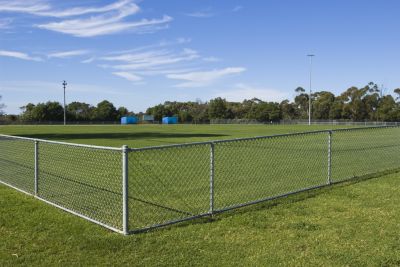
Use clear, consistent comparison criteria to evaluate local contractors’ scope, experience, and written expectations.
- Define project scope - specify the size, type, and purpose of the fencing needed for the property.
- Verify experience - ensure the service providers have relevant experience with field fencing projects.
- Establish material preferences - determine the types of fencing materials and styles desired for the job.
- Clarify installation requirements - outline any specific site conditions, terrain considerations, or access needs.
- Document expectations in writing - create a detailed scope of work to compare and evaluate local contractors effectively.
When comparing contractors for field fencing services, it is important to evaluate their experience with similar projects. Homeowners should seek service providers who have a proven track record of installing fences comparable in size, material, and terrain to the current project. Asking for examples of past work or references related to comparable fencing projects can help gauge a contractor’s familiarity with the specific requirements and challenges involved. This focus on relevant experience can provide confidence that the contractor understands the scope and complexities of the work.
A clear, written scope of work is essential for establishing mutual understanding and setting expectations. Contractors should provide detailed descriptions of the fencing process, including materials to be used, the extent of site preparation, and any additional services included. Having a documented scope helps prevent misunderstandings and ensures that both parties are aligned on what the project entails. Homeowners are encouraged to review and clarify these details before proceeding, ensuring that the scope accurately reflects the desired outcomes and covers all necessary aspects of the project.
Verification basics involve confirming that contractors have the appropriate experience and a history of completing similar projects successfully. Homeowners should verify that service providers can demonstrate their familiarity with the type of fencing desired, whether it’s chain link, wood, or other materials. It is also helpful to review any available references or testimonials related to similar work. While formal licensing or certification may not be a requirement in all areas, checking for consistent quality and professionalism in past projects can serve as a useful indicator of a contractor’s reliability and competence.
Evaluating options without focusing on prices involves assessing the quality of the service providers’ proposals, their communication clarity, and their ability to deliver a comprehensive scope of work. Homeowners should compare how well each contractor understands the project, the level of detail in their written scope, and their approach to handling potential challenges. Asking questions about their experience, methods, and project management practices can help identify the most suitable service providers. This approach ensures that the decision is based on expertise and clarity, leading to a well-executed fencing project.
Ask contractors for written scope of work to ensure clear expectations and consistent project understanding.
- Experience and References - What experience do the local contractors have with field fencing projects similar to yours?
- Scope of Work - How do the service providers define and document the scope of fencing work to ensure clarity?
- Materials and Construction - What types of fencing materials do the contractors recommend, and how do they ensure quality and durability?
- Warranty and Guarantees - Do the local service providers offer any warranties or guarantees on their fencing work?
- Communication and Expectations - How do the contractors clarify project expectations and keep clients informed throughout the process?
How can I compare different contractors for field fencing? To compare contractors, review their experience, services offered, and reputation through reviews or references to ensure they meet the specific needs of the fencing project.
What should I consider when defining the scope of my fencing project? Clearly outline the fencing length, type of materials, and any additional features or requirements to ensure the contractor understands the project details.
How do I verify a contractor’s experience with field fencing? Ask for details about their previous projects, years of experience, and any relevant work samples or references to assess their expertise in fencing services.
Why is it important to get project details in writing? Having the scope, materials, and expectations documented helps prevent misunderstandings and provides a clear reference for the work to be performed.
What questions should I ask a contractor before hiring for fencing services? Inquire about their experience, types of fencing they install, materials they recommend, and how they handle project planning and communication.
How can I ensure the contractor understands my fencing needs? Clearly communicate your goals and requirements, and review the project scope together to confirm mutual understanding before work begins.
Visitors now have a clear understanding of how to approach hiring contractors for field fencing projects. They’ve learned the importance of defining the scope of work, verifying experience, and establishing expectations in writing to help ensure a successful outcome. Comparing multiple local service providers can help identify the best options suited to specific needs and preferences.
Encouragement is provided to use the quote form as a practical step toward connecting with local contractors. By taking this simple action, visitors can efficiently explore and compare available options, making informed choices based on their project requirements.